

Embark on a fascinating exploration of architectural styles, delving into the rich history and diverse characteristics that define this captivating field. From ancient wonders to modern marvels, each style tells a unique story of human creativity and innovation.
As we delve deeper into the world of architecture, we uncover the evolution of styles, the influence of culture, and the distinct features that shape iconic buildings around the globe.
Overview of Architectural Styles
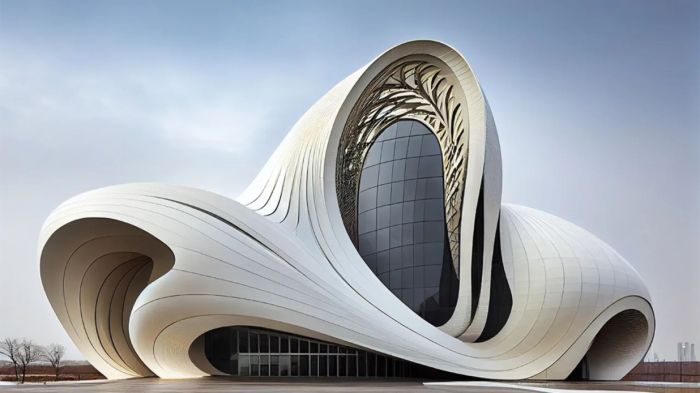
Architectural styles refer to a set of characteristics and design elements that define a specific type of architecture. These styles play a crucial role in the field of architecture as they reflect the cultural, historical, and social contexts of a particular time period.
By studying architectural styles, architects and historians can gain insights into the values, beliefs, and technological advancements of different civilizations.Throughout history, architectural styles have evolved in response to various factors such as changes in materials, construction techniques, and cultural influences.
Different periods in history have been marked by distinct architectural styles that showcase the creativity and innovation of architects from that era. From the classical columns of ancient Greece to the sleek lines of modernist architecture, each style tells a unique story about the society that produced it.
Examples of Famous Architectural Styles
- Ancient Egyptian: Known for its monumental structures like the pyramids and temples, characterized by massive stone construction and elaborate ornamentation.
- Romanesque: Featuring thick walls, rounded arches, and decorative arcading, this style emerged in medieval Europe and is often associated with churches and castles.
- Renaissance: Originating in Italy, the Renaissance style emphasized symmetry, proportion, and classical elements, seen in buildings like the St. Peter's Basilica in Vatican City.
- Baroque: A dramatic and ornate style popular in the 17th and 18th centuries, known for its grandeur and use of light and shadow effects, exemplified by the Palace of Versailles in France.
- Art Nouveau: A decorative style that flourished in the late 19th century, characterized by organic forms, floral motifs, and curved lines, seen in buildings like the Casa Batlló in Barcelona.
Characteristics of Architectural Styles

Architectural styles are defined by a set of key characteristics that distinguish one style from another. These features encompass various elements such as materials, forms, ornamentation, and overall design principles.
Modern vs. Classical Architectural Styles
Modern architectural styles are known for their emphasis on simplicity, clean lines, and the use of industrial materials such as steel and glass. In contrast, classical architectural styles are characterized by symmetry, decorative details, and the use of traditional materials like stone and wood.
- Modern Architecture:
- Emphasis on simplicity and minimalism
- Use of industrial materials like steel and glass
- Open floor plans and large windows
- Integration of indoor and outdoor spaces
- Classical Architecture:
- Focus on symmetry and proportion
- Elaborate decorative elements such as columns and moldings
- Use of traditional materials like stone, brick, and wood
- Distinctive features like pediments, arches, and domes
Cultural Influences on Architectural Styles
Cultural influences play a significant role in shaping architectural styles. Different regions and societies have unique traditions, beliefs, and values that are reflected in the design and construction of buildings.
For example, the intricate carvings and vibrant colors of Indian architecture are a reflection of the rich cultural heritage and religious symbolism prevalent in the country.
| Region | Architectural Style | Cultural Influence |
|---|---|---|
| Japan | Traditional Japanese | Focus on harmony with nature and simplicity |
| Middle East | Islamic Architecture | Use of geometric patterns and intricate tile work inspired by Islamic art |
| Europe | Baroque | Emphasis on grandeur and theatricality influenced by the Catholic Church |
Regional Architectural Styles
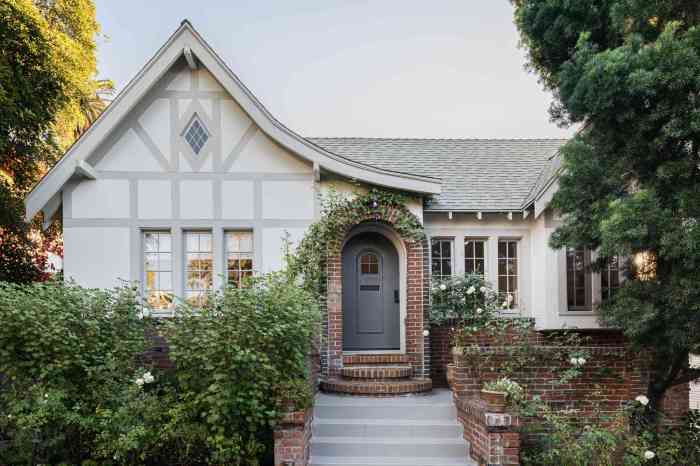
In exploring regional architectural styles, it is fascinating to see how different regions around the world have developed unique architectural designs influenced by their climate, geography, culture, and history. These styles not only reflect the aesthetic preferences of a particular region but also serve practical purposes in adapting to the local environment.
Asian Architectural Styles
Asian architectural styles are known for their intricate designs, vibrant colors, and use of natural materials such as wood and bamboo. One iconic example is the Taj Mahal in India, known for its symmetrical layout, white marble facade, and intricate carvings that represent Mughal architecture at its peak.
Another example is the Forbidden City in China, with its traditional Chinese architectural elements like curved roofs, ornate decorations, and emphasis on symmetry.
European Architectural Styles
European architectural styles vary greatly across the continent, ranging from the Gothic cathedrals of France to the Baroque palaces of Italy. The Neuschwanstein Castle in Germany, known for its fairy-tale-like appearance and Romantic architectural style, is a prime example of European architecture.
The Guggenheim Museum in Spain, designed by Frank Gehry, showcases modern architectural innovation within a historic European setting.
Middle Eastern Architectural Styles
Middle Eastern architectural styles are characterized by their use of geometric patterns, intricate tile work, and domed structures. The Sheikh Zayed Grand Mosque in Abu Dhabi is a stunning example of Islamic architecture, with its white marble facade, intricate floral designs, and towering minarets.
The Alhambra in Spain, although not located in the Middle East, reflects Moorish architectural influence with its ornate arches, lush gardens, and intricate carvings.
Contemporary Architectural Styles
Contemporary architectural styles are constantly evolving to reflect the current trends and preferences of society. Architects today are blending traditional design elements with modern techniques to create unique and innovative structures that stand out in the urban landscape.
Current Trends in Contemporary Architectural Styles
Contemporary architectural styles often prioritize simplicity, minimalism, and sustainability. Clean lines, open spaces, and the use of natural light are common features in modern designs. Architects are also exploring the use of new materials and technologies to push the boundaries of what is possible in architecture.
Use of Technology and Sustainable Practices
Technology plays a significant role in contemporary architectural styles, with architects utilizing advanced software for design and construction. Sustainable practices such as green roofs, solar panels, and energy-efficient systems are increasingly incorporated into modern architectural designs to reduce the environmental impact of buildings.
Blending Traditional and Modern Styles
Contemporary architects are adept at blending traditional architectural styles with modern influences to create a harmonious balance between the past and the present. By integrating elements like historical facades, materials, or cultural references into their designs, architects are able to create buildings that are both visually striking and culturally significant.
Final Summary
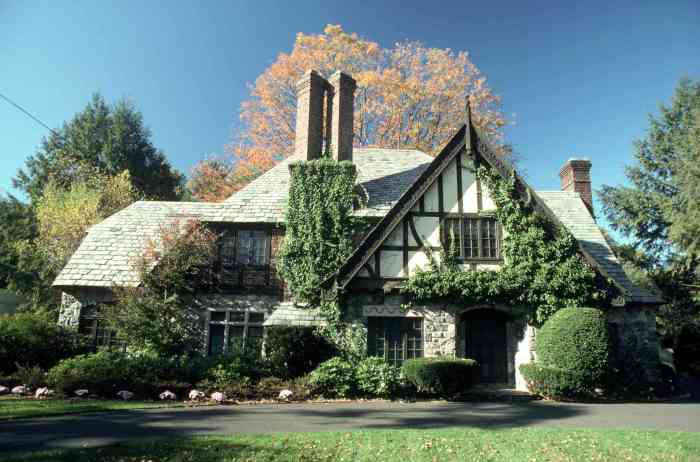
In conclusion, architectural styles serve as a window into the past, present, and future of design. By studying these styles, we gain a deeper appreciation for the artistry and ingenuity that continue to shape our built environment.
FAQ Resource
What factors influence the development of architectural styles?
Cultural influences, technological advancements, and societal needs all play a role in shaping architectural styles.
How do modern and classical architectural styles differ?
Modern styles often prioritize functionality and minimalism, while classical styles focus on symmetry and ornate detailing.
Can architectural styles blend traditional and modern elements?
Yes, many contemporary architects seamlessly integrate traditional elements with modern design concepts in their work.