
Embark on a journey through the world of house design, where functionality meets aesthetics in perfect harmony. From the layout to the use of sustainable materials, every detail plays a crucial role in creating the perfect living space. Join us as we explore the importance of house design and how it can elevate the quality of life for its occupants.
Importance of House Design
House design plays a crucial role in shaping the functionality and aesthetics of a living space. A well-thought-out design not only enhances the visual appeal of a home but also contributes to the overall quality of life for its occupants.
Enhancing Quality of Life
A thoughtfully designed house can create a comfortable and efficient living environment. Features such as ample natural light, proper ventilation, and well-designed layouts can improve the mood and well-being of residents. Additionally, strategic placement of rooms and amenities can enhance convenience and functionality, making daily tasks easier and more enjoyable.
Impact on Energy Efficiency and Sustainability
House design also plays a significant role in energy efficiency and sustainability. Factors such as insulation, orientation, and use of eco-friendly materials can reduce energy consumption and lower utility costs. Sustainable design practices not only benefit the environment but also contribute to a healthier and more cost-effective living space for occupants.
Elements of Good House Design
When it comes to creating a well-designed house, there are several key elements that play a crucial role in achieving a harmonious and functional living space. Elements such as layout, lighting, colors, and materials all contribute to the overall aesthetic and functionality of a home.
Additionally, incorporating natural elements into the design can further enhance the beauty and appeal of the space.
Layout
The layout of a house is fundamental to its design as it determines how the space is utilized and how different areas flow into one another. A well-thought-out layout can maximize functionality and create a sense of openness and continuity throughout the house.
It is essential to consider factors such as the placement of rooms, circulation paths, and the overall spatial organization to ensure a cohesive and efficient design.
Lighting
Lighting is another crucial element in house design as it can greatly impact the mood, ambiance, and functionality of a space. Natural light, in particular, is highly desirable as it not only illuminates the interior but also creates a connection to the outdoors.
Incorporating ample windows, skylights, and other openings can help bring natural light into the house, making it feel bright, airy, and welcoming.
Colors
The choice of colors in house design can significantly influence the overall look and feel of a space. Different colors evoke different emotions and can be used to create a particular atmosphere or style. Whether it's through paint, finishes, or furnishings, selecting the right color palette is essential in establishing a cohesive and visually appealing design scheme.
Materials
Materials play a crucial role in defining the character and quality of a house. From flooring and countertops to cabinetry and fixtures, the selection of materials can greatly impact the durability, aesthetics, and functionality of a space. Choosing high-quality, sustainable materials can not only enhance the overall design but also promote a healthier and more environmentally friendly living environment.
Natural Elements
Incorporating natural elements such as wood, stone, water, and plants can add a sense of warmth, texture, and tranquility to a house. Natural materials bring a sense of connection to the environment and can help create a more harmonious and relaxing living space.
Whether it's through indoor gardens, natural finishes, or organic shapes, integrating nature into the design can elevate the overall aesthetic and create a more inviting atmosphere.
Trends in Modern House Design

In recent years, modern house design has seen a shift towards more innovative and sustainable practices. Let's explore some of the current trends shaping the industry.
Open Floor Plans
Open floor plans have become increasingly popular in modern house design, emphasizing spaciousness and connectivity between different areas of the home. This layout promotes a sense of flow and allows for more natural light to enter the space.
Smart Home Technology
The integration of smart home technology has become a key trend in modern house design, offering homeowners convenience, security, and energy efficiency. From automated lighting and thermostats to voice-controlled assistants, these technologies are transforming the way we interact with our living spaces.
Sustainable Materials
Another significant trend in modern house design is the use of sustainable materials. From recycled wood and reclaimed bricks to energy-efficient windows and solar panels, eco-friendly materials are being incorporated to reduce the environmental impact of construction and promote sustainability.
Innovative Design Concepts
Designers are constantly pushing the boundaries of creativity in modern house design, introducing innovative concepts that challenge traditional notions of architecture. Examples include modular construction, green roofs, and passive design strategies that prioritize energy efficiency and environmental responsibility.
Interior vs. Exterior Design
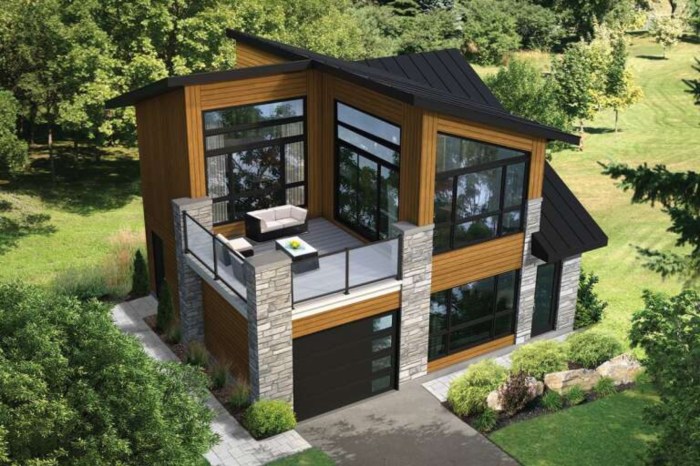
When it comes to creating a cohesive living space, both interior and exterior design play crucial roles in shaping the overall look and feel of a house. While interior design focuses on the functionality, aesthetics, and comfort of the indoor spaces, exterior design is all about creating a welcoming and visually appealing facade that contributes to the curb appeal of the property.
Importance of Exterior Design in Curb Appeal
The exterior design of a house is the first thing that people notice when they approach the property. It sets the tone for what to expect inside and can greatly impact the overall impression of the house. A well-designed exterior with elements like a well-maintained garden, attractive landscaping, and a visually appealing facade can significantly enhance the curb appeal of a house, making it more inviting and desirable.
Creating a Seamless Transition between Indoor and Outdoor Spaces
To create a seamless transition between indoor and outdoor spaces, consider using design elements that connect the two areas harmoniously. This can be achieved by using similar color palettes, materials, or design styles that flow from the interior to the exterior.
Incorporating features like large windows, sliding doors, or outdoor living areas can also help blur the lines between inside and outside, allowing for a more cohesive and integrated living experience.
Concluding Remarks
In conclusion, house design is not just about creating a visually appealing space, but also about maximizing functionality and sustainability. By understanding the key elements and current trends in modern design, you can transform your living space into a true sanctuary.
Let your creativity soar as you embark on the journey of designing your dream home.
Quick FAQs
How does house design impact energy efficiency?
House design plays a crucial role in energy efficiency by optimizing natural light, ventilation, and insulation, reducing the need for artificial heating and cooling.
What are some key elements of good house design?
Key elements include layout, lighting, colors, materials, and the incorporation of natural elements to create a cohesive and aesthetically pleasing living space.
Why is the exterior design important for a house?
The exterior design contributes to the curb appeal of a house, creating a welcoming and visually appealing first impression for visitors and passersby.