
ABC siding introduces an innovative approach to construction, revolutionizing traditional siding options with its versatility and durability. As we delve into the world of ABC siding, a myriad of design possibilities and maintenance tips await to be explored, promising a captivating journey for readers curious about this architectural gem.
In the following sections, we will unravel the intricacies of ABC siding, from its installation process to design options, providing a comprehensive guide for those seeking to enhance their building's exterior with this cutting-edge material.
Introduction to ABC Siding
ABC Siding is a popular choice in construction for exterior cladding, providing both functional and aesthetic benefits to buildings. It serves as a protective layer against the elements while enhancing the overall appearance of a structure.
Types of Materials Used
- Vinyl: Known for its durability, low maintenance, and wide range of color options.
- Fiber Cement: Resistant to termites, fire, and rot, offering a long-lasting solution for siding.
- Wood: Provides a natural and timeless look, but requires more maintenance compared to other materials.
- Metal: Offers strength and durability, ideal for modern and industrial-style buildings.
Benefits of ABC Siding
- Weather Resistance: ABC Siding protects the building from moisture, UV rays, and extreme temperatures.
- Low Maintenance: Compared to traditional siding options, ABC Siding requires minimal upkeep over time.
- Versatility: With a variety of materials and styles available, ABC Siding can complement any architectural design.
- Energy Efficiency: Some types of ABC Siding offer insulation properties, reducing energy costs for heating and cooling.
Installation Process of ABC Siding
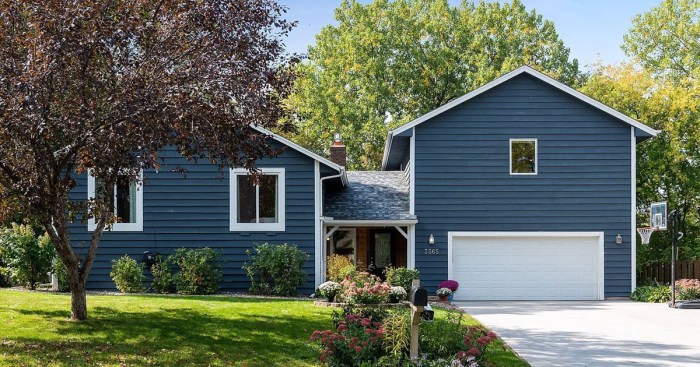
When it comes to installing ABC Siding, following a step-by-step guide can ensure a successful outcome. Let's take a look at the process, tools, materials required, and how it compares to other siding options.
Step-by-Step Guide
- Prepare the surface: Ensure the surface where the siding will be installed is clean, dry, and free of any debris.
- Measure and cut the siding: Take accurate measurements of the area to be covered and cut the siding accordingly using a sharp saw.
- Install the starter strip: Begin by installing the starter strip at the bottom of the wall to provide a base for the siding panels.
- Attach the siding panels: Secure the siding panels to the wall using nails or screws, starting from the bottom and working your way up.
- Finish the corners and edges: Use corner pieces and trim to finish off the corners and edges for a polished look.
- Inspect and clean up: Once the siding is installed, inspect the work for any gaps or inconsistencies, and clean up any leftover materials.
Tools and Materials Required
For a successful installation of ABC Siding, you will need the following tools and materials:
- Siding panels
- Starter strip
- Nails or screws
- Saw
- Corner pieces
- Trim
- Tape measure
- Level
- Hammer or screwdriver
Comparison with Other Siding Options
When compared to other siding options, ABC Siding stands out for its ease of installation, durability, and low maintenance requirements. Unlike some siding materials that may require specialized tools or professional installation, ABC Siding can often be installed by homeowners with basic DIY skills.
Additionally, the wide range of colors and styles available with ABC Siding allows for customization to suit any aesthetic preferences.
Maintenance and Care for ABC Siding

Proper maintenance is essential for ensuring the longevity and appearance of your ABC Siding. Here are some recommended practices to help you take care of your siding effectively.
Recommended Maintenance Practices
- Regularly inspect the siding for any signs of damage, such as cracks, chips, or warping.
- Clean the siding at least once a year using a mild detergent and water to remove dirt, grime, and mold.
- Trim any overhanging tree branches to prevent them from scratching or damaging the siding.
- Check the caulking and seals around windows, doors, and vents to ensure they are intact and watertight.
Common Issues and Solutions
- Color Fading:Over time, the color of ABC Siding may fade due to exposure to sunlight. Consider repainting or applying a UV-resistant coating to restore the color.
- Mold and Mildew:To address mold and mildew growth, use a mixture of bleach and water to clean the affected areas, followed by rinsing with water.
- Warping:Warping can occur due to moisture absorption. Ensure proper ventilation and drainage around the siding to prevent moisture buildup.
Cleaning and Upkeep Tips
- Use a soft brush or cloth to gently scrub the siding during cleaning to avoid scratching the surface.
- Avoid using harsh chemicals or abrasive cleaners that can damage the siding's finish.
- Rinse the siding thoroughly after cleaning to remove any residue and prevent streaking.
Design Options and Customization with ABC Siding
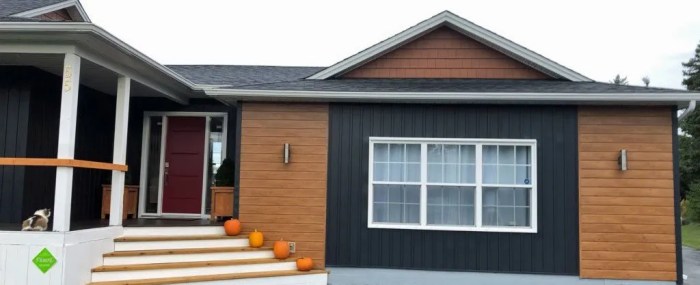
When it comes to design options and customization, ABC Siding offers a wide range of choices to enhance the exterior of your building. Whether you're looking for a modern or traditional look, ABC Siding can be tailored to suit your architectural style.
Versatile Color Palette
One of the key design options with ABC Siding is the versatile color palette available. From classic neutrals to bold and vibrant hues, you can choose a color that complements your building's aesthetic perfectly. Whether you prefer a subtle tone or a standout shade, ABC Siding has you covered.
Texture and Finish Variety
ABC Siding also offers a variety of textures and finishes to add depth and dimension to your exterior. Whether you prefer a smooth finish for a sleek look or a textured finish for a more rustic feel, ABC Siding provides options to match your style preferences.
Mixing and Matching Styles
For a truly customized look, consider mixing and matching different styles of ABC Siding. Combining horizontal and vertical panels, or incorporating accents like shakes or scallops, can create a unique and visually appealing design that sets your building apart.
Summary
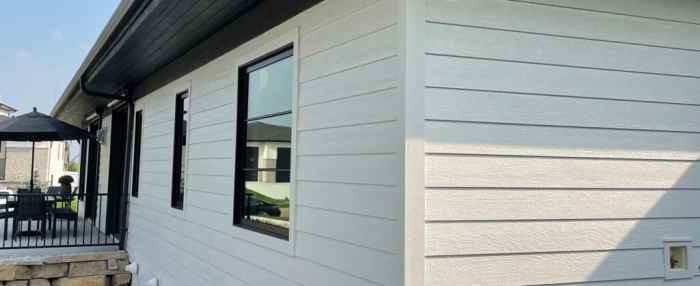
In conclusion, ABC siding stands as a premier choice for those looking to elevate their property's aesthetics and functionality. With its customizable features and easy maintenance, ABC siding offers a sustainable and visually appealing solution for any construction project. Dive into the world of ABC siding and unlock the endless possibilities it holds for your architectural vision.
Common Queries
What are the different types of materials used in ABC Siding?
ABC Siding can be crafted from materials like vinyl, fiber cement, wood, or metal, each offering unique benefits and aesthetic appeal.
How can I address common issues that may arise with ABC Siding?
Common issues like fading, warping, or mold growth can be tackled through regular inspections, prompt repairs, and proper cleaning techniques tailored to the specific material of your ABC Siding.
What are some creative ways to incorporate ABC Siding into a building's exterior design?
You can experiment with geometric patterns, color contrasts, or even mix different materials to create a striking visual impact with ABC Siding. Consult with a design professional for personalized ideas that suit your architectural style.