

Asbestos shingles have a long and storied history in the construction industry, offering unique benefits and posing significant health risks. This article delves into the intricacies of asbestos shingles, from their composition to safety concerns, providing a comprehensive guide for readers.
As we unravel the mysteries surrounding asbestos shingles, you'll gain a deeper understanding of their identification, removal procedures, and the importance of proper disposal. Let's embark on this informative journey together.
Introduction to Asbestos Shingles
Asbestos shingles are roofing materials made from a mixture of asbestos fibers and cement. These shingles were commonly used in construction due to their durability and fire-resistant properties.
Historical Use of Asbestos Shingles
Asbestos shingles gained popularity in the early to mid-20th century as an affordable and long-lasting roofing option. Their ability to withstand extreme weather conditions and resist fire made them a preferred choice for many homeowners and builders.
Benefits of Asbestos Shingles in Roofing
Durability
Asbestos shingles have a long lifespan and can withstand harsh weather conditions.
Fire Resistance
The asbestos fibers in the shingles provide excellent fire resistance, making them a safe choice for roofing.
Low Maintenance
Asbestos shingles require minimal maintenance, saving homeowners time and money in the long run.
Insulation
These shingles offer good insulation properties, helping to regulate indoor temperatures and reduce energy costs.
Health and Safety Concerns
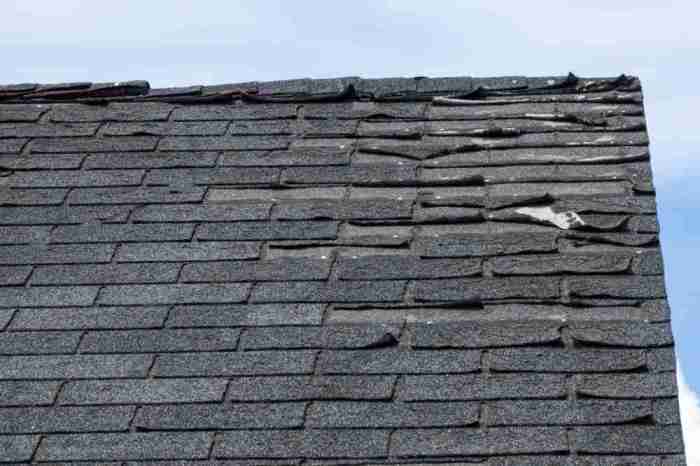
Asbestos exposure from shingles can pose serious health risks to individuals. When asbestos-containing shingles deteriorate or are disturbed, they can release harmful fibers into the air. These tiny fibers, when inhaled, can cause serious respiratory issues and diseases, including lung cancer, mesothelioma, and asbestosis.
Risks of Asbestos Exposure
- Asbestos fibers can remain in the lungs for a long time, leading to inflammation and scarring.
- Long-term exposure to asbestos can increase the risk of developing lung cancer.
- Mesothelioma, a rare and aggressive form of cancer, is strongly linked to asbestos exposure.
Release of Harmful Fibers
- Asbestos shingles can release fibers when they are disturbed during maintenance, repair, or removal.
- Weathering and aging of asbestos shingles can also cause them to release fibers into the environment.
Safety Measures for Handling and Removal
- Before handling asbestos shingles, it is crucial to wear appropriate protective gear, including a respirator, gloves, and coveralls.
- Minimize the breakage of shingles during removal to reduce the release of asbestos fibers.
- Wet methods should be used to keep asbestos fibers from becoming airborne, and debris should be carefully cleaned up and disposed of properly.
Identification of Asbestos Shingles
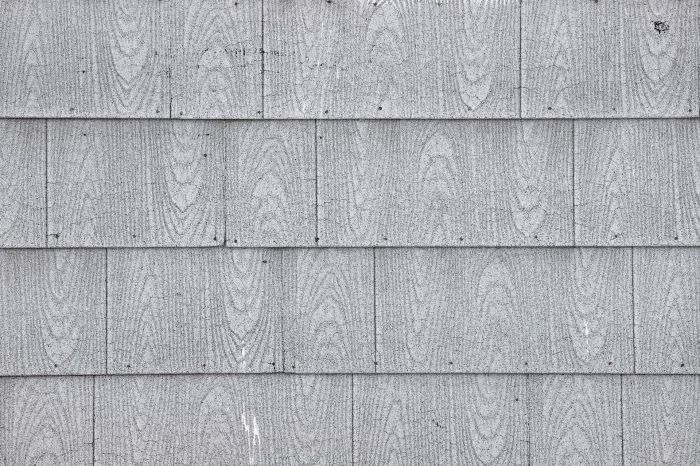
Asbestos shingles were commonly used in construction due to their fire-resistant properties and durability. To identify asbestos shingles, there are certain characteristics to look out for:
Physical Characteristics
- Asbestos shingles are usually flat and square-shaped, resembling traditional roofing shingles.
- They may have a rough texture and are typically gray, brown, or black in color.
- Asbestos shingles are brittle and can easily break when handled.
Differentiation from Non-Asbestos Shingles
- Non-asbestos shingles are more flexible and have a smoother texture compared to asbestos shingles.
- Non-asbestos shingles may come in a wider variety of colors and shapes, unlike the limited colors and shapes of asbestos shingles.
- Non-asbestos shingles are usually marked with a label or stamp indicating that they do not contain asbestos.
Common Locations
- Asbestos shingles can often be found on older residential and commercial buildings constructed before the 1980s.
- They are commonly used as roofing materials but can also be found on siding and exterior walls.
- Asbestos shingles may be present in areas where there is a high risk of fire, such as industrial buildings or facilities.
Removal and Disposal Procedures
When it comes to dealing with asbestos shingles, proper removal and disposal procedures are crucial to ensure the safety of everyone involved and prevent the spread of harmful asbestos fibers into the environment.
Proper Steps for Removing Asbestos Shingles Safely
- First, conduct a thorough inspection to determine the extent of asbestos shingle contamination.
- Secure the work area by setting up containment barriers to prevent the spread of asbestos fibers.
- Wear appropriate personal protective equipment, including respirators, gloves, and disposable coveralls.
- Carefully remove the asbestos shingles using wet methods to minimize the release of fibers.
- Dispose of the asbestos shingles in sealed, leak-proof containers labeled as hazardous waste.
- Clean and decontaminate the work area thoroughly after removal is complete.
Importance of Hiring Professionals for Asbestos Shingle Removal
It is highly recommended to hire licensed asbestos abatement professionals for the removal of asbestos shingles. These professionals have the necessary training, experience, and equipment to safely and effectively handle asbestos-containing materials.
Attempting to remove asbestos shingles on your own can be extremely dangerous and may lead to serious health risks due to exposure to asbestos fibers.
Regulations and Guidelines for Disposing of Asbestos-Containing Materials
- Follow local, state, and federal regulations regarding the disposal of asbestos-containing materials.
- Dispose of asbestos shingles at approved hazardous waste disposal sites designated for asbestos materials.
- Ensure proper labeling and packaging of asbestos shingles to prevent accidental exposure during transportation and disposal.
- Keep records of the disposal process as proof of compliance with regulations.
Final Wrap-Up
In conclusion, asbestos shingles stand as a cautionary tale of a once-popular building material now known for its dangers. By arming yourself with knowledge about asbestos shingles, you can make informed decisions to protect yourself and your loved ones. Stay safe and informed in all your construction endeavors.
Question & Answer Hub
What are asbestos shingles made of?
Asbestos shingles are primarily composed of asbestos fibers mixed with cement or other materials for added durability.
How can asbestos shingles affect your health?
Exposure to asbestos fibers from shingles can lead to serious respiratory illnesses such as asbestosis and mesothelioma.
Where are common locations to find asbestos shingles?
Asbestos shingles are often found in older homes, particularly in roofing materials, siding, and insulation products.
Do you need a professional for asbestos shingle removal?
Yes, it is highly recommended to hire professionals with expertise in handling asbestos to safely remove and dispose of asbestos shingles.
What are the regulations for disposing of asbestos-containing materials?
Disposal of asbestos-containing materials must follow strict guidelines to prevent environmental contamination and health risks to the public. It is essential to consult local authorities for proper disposal methods.